
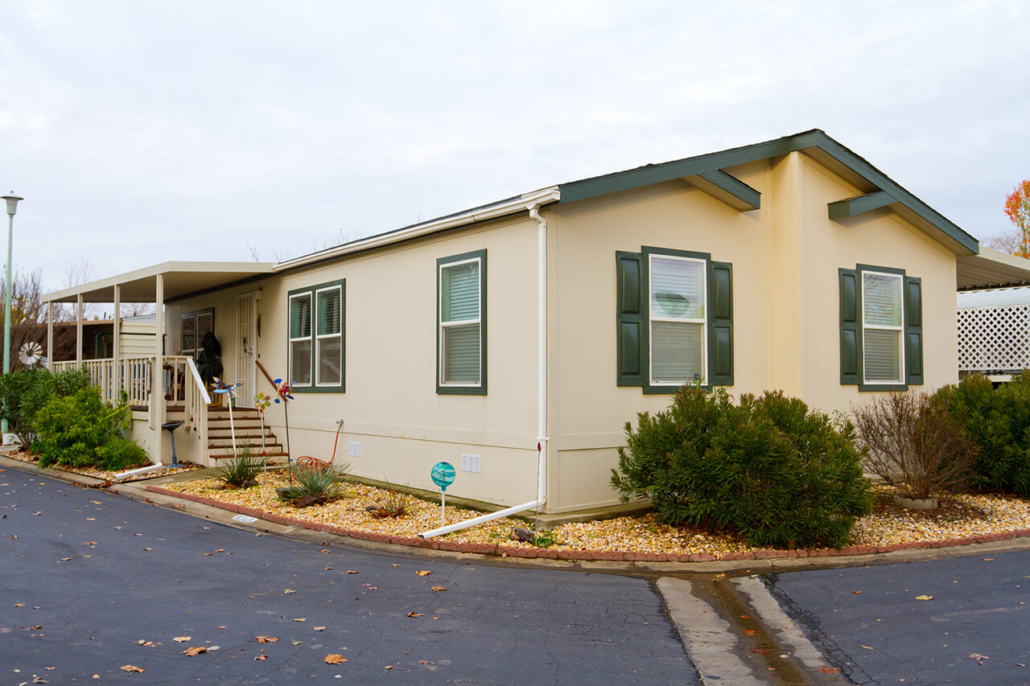
What HUD Foundation Certification in Roanoke, AL Means for Manufactured Home Owners
Manufactured homes are a big part of the housing picture in East Alabama, from quiet lots near Roanoke to land along the lakes. They are a practical, affordable way to own a home, and when the time comes to sell or refinance one, a lender will often want proof that the home sits on a proper foundation. That is where HUD foundation certification comes in, and it tends to be the step that surprises owners the most.
The certification is a structural foundation inspection. Summit Home Inspector describes it as a check that the home is permanently tied down and would not float off its piers or foundation, along with a look at whether drainage will keep water from flooding a crawlspace or basement. It is often the last service ordered when a manufactured home is being sold, which is a good reason to learn about it early.
Why Lenders Ask for HUD Foundation Certification
A manufactured home is built to the federal HUD Code, and homes built since 1976 carry a red certification label on each transportable section along with an interior data plate. What the home sits on after it arrives is a separate matter. The HUD publication titled the Permanent Foundations Guide for Manufactured Housing is written for engineers, manufacturers, and site owners seeking approval, and it clarifies what counts as a permanent foundation. It also notes that the guide can help prepare the worksheets needed to apply for an FHA mortgage.
Every lender sets its own conditions, so the practical advice is to ask yours which inspections they need. Summit Home Inspector makes the same point, noting that your lender will know which inspections you will need.
What a HUD Foundation Certification Inspection Looks At
The inspector evaluates how the home is supported and anchored. That means looking at the piers or foundation walls, the way the home is tied down, the condition and spacing of the supports, and the ground conditions around them. Drainage is part of the picture too, since water that pools under or beside a home can undermine the supports over time and cause moisture problems in a crawlspace.
The result is a written report that documents what was found. For a seller, the report can answer a lender’s questions directly. For a buyer, it is a clear look at a part of the home that is hard to judge by eye.
Additions, Decks, and Porches
Many manufactured homes have changed since the day they were set up. Decks, porches, and room additions are common, and they raise their own questions. Summit Home Inspector notes that attachments added after the home was sited are not regulated by HUD standards, though an improperly installed addition may take the home out of conformance. That is why the service includes an addition inspection for decks, porches, room additions, and alterations alongside the main foundation inspection.
If you have built onto your home, mention it when you schedule so the inspector can plan for it. Surprises at the end of a sale are much harder to fix than questions raised at the beginning.
Planning Ahead for a Sale or Refinance
The best time to think about HUD foundation certification is before you list, not after a buyer’s lender sends a request. A report in hand can speed up closing, and an early inspection leaves time to correct issues the inspector finds, such as drainage problems or worn supports. Reports are generally completed within two to three business days, so building a little time into your schedule is wise.
Frequently Asked Questions About HUD Foundation Certification
What is the difference between a manufactured home and a mobile home?
Manufactured homes are built to HUD standards from 1976 forward, while homes built earlier are generally called mobile homes. Modular homes are built to typical building codes on permanent foundations.
Who needs it?
It depends on the lender and the loan type. The safest step is to ask your lender which inspections they require before you list or apply.
Does the certification cover decks and additions?
Additions and attachments are inspected separately from the main foundation inspection, so tell your inspector about any structures that were added after the home was set up.
How long does it take?
The inspection and report are generally completed within two to three business days, according to Summit Home Inspector. Ask when scheduling about timing for your property.
If you own or plan to sell a manufactured home in Roanoke or anywhere in East Alabama or West Georgia, a clear foundation report can keep your sale on track. Summit Home Inspector can inspect the home and explain the findings plainly. Choose your inspection and schedule your HUD foundation certification today.
Summit Home Inspector proudly serves Alexander City, Anniston, Auburn, Opelika, Roanoke, Wadley, and Wedowee, Alabama, and Acworth, Carrollton, and Franklin, Georgia, along with surrounding areas in East Alabama and West Georgia.
Leave a Reply
Want to join the discussion?Feel free to contribute!